Everything You Required to Know Regarding Windscreen Tinting for Your Automobile
Windscreen tinting is a sensible improvement for lorries, offering numerous advantages that numerous proprietors may neglect. It gives advantages like UV security and temperature control. The choices available are large, and the lawful landscape can be complex. Understanding the sorts of tints and installment processes is necessary for making informed choices. As the discussion unfolds, it comes to be clear that there is a lot more to contemplate prior to continuing with windshield tinting.
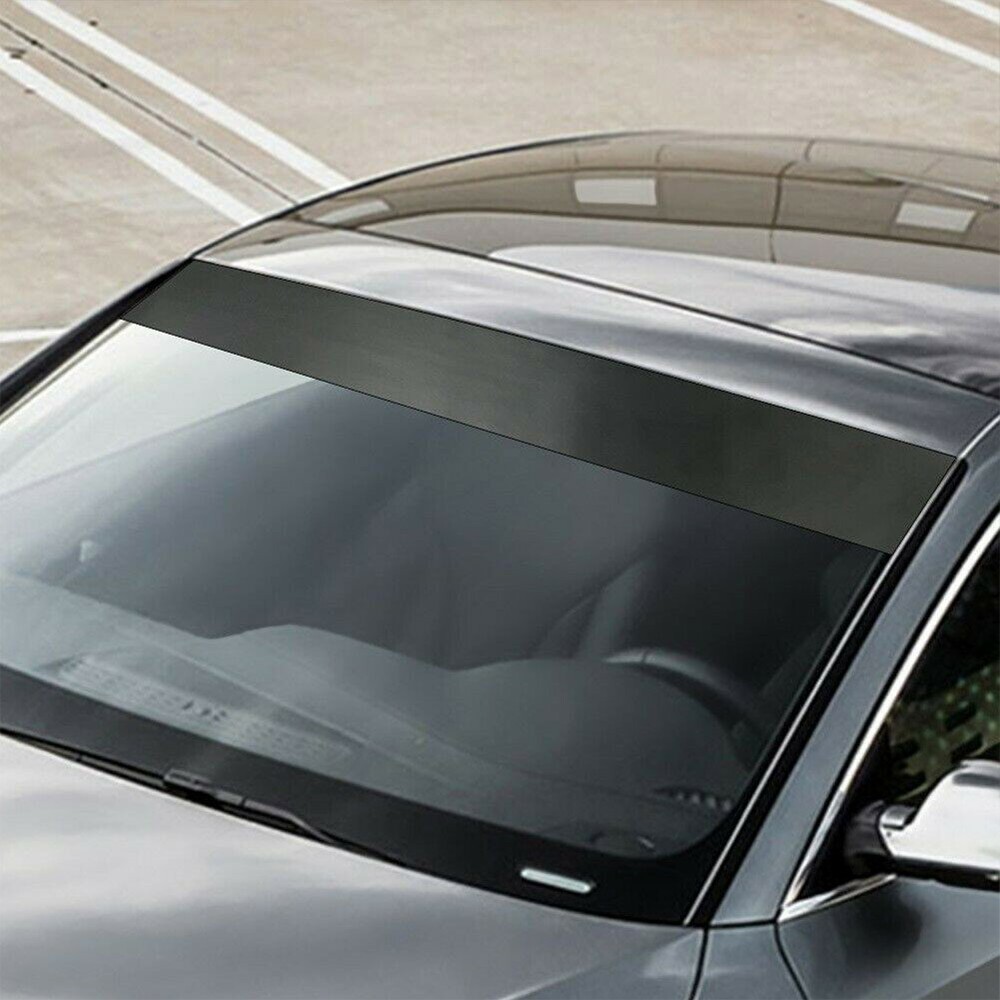
Advantages of Windshield Tinting
Some lorry owners might ignore windshield tinting, its benefits are significant. Among the primary advantages is improved UV protection. Tinted windscreens can block approximately 99% of harmful ultraviolet rays, lowering the threat of skin damages for passengers and protecting the vehicle's interior from fading and cracking. Moreover, windshield tinting can improve driving convenience by lowering glow from the sunlight, which can be a safety and security threat. This decrease in glare enables much better visibility and a more satisfying driving experience.Additionally, windscreen tinting adds to temperature control within the automobile. By reflecting sunlight, it aids preserve a cooler cabin, leading to lowered dependence on cooling and boosted gas efficiency. Ultimately, privacy is an additional benefit, as tinted windscreens offer a degree of cover-up from prying eyes, improving safety for personal items. In general, the benefits of windscreen tinting make it a worthwhile factor to consider for automobile owners.
Sorts Of Windscreen Tints
When choosing windshield colors, vehicle proprietors experience a range of choices, each offering distinctive characteristics and advantages. Windshield Tinting Newark. One of the most typical kinds include dyed, metalized, and ceramic colors. Colored tints are preferred for their visual appeal and capacity to reduce glare, but they might discolor gradually. Metalized tints integrate little steel bits that enhance warm rejection and rise sturdiness, although they can hinder electronic signals. Ceramic colors are known for their high efficiency, giving outstanding UV protection and heat being rejected without signal interference, making them a premium option. In addition, some producers supply hybrid choices that integrate the benefits of metalized and colored colors, supplying an equilibrium of appearances and performance. Each type of tint differs relating to performance, appearance, and rate, permitting car owners to select based on their specific demands and choices. Understanding these options is important for making an informed decision
Lawful Regulations for Windscreen Tinting
Legal guidelines relating to windscreen tinting differ significantly by state, with each jurisdiction imposing particular visibility requirements. Conformity with these laws is crucial to avoid lawful fines, which can include requireds or fines to remove non-compliant tinting. Understanding the nuances of these policies can help automobile owners make informed choices about their tinting options.
Tinting Regulations by State
What laws govern windshield tinting throughout the USA? Windshield tinting regulations vary significantly from state to state. Each state establishes specific guidelines relating to the permissible levels of color darkness, the types of films permitted, and the areas on the windshield where tinting can be used. For instance, some states permit a certain percent of Visible Light Transmission (VLT) for the top windshield strip, while others might have more stringent constraints or straight-out bans. Additionally, states might vary in their enforcement of these legislations, with some allowing exemptions for medical reasons. Vehicle owners have to acquaint themselves with their state's guidelines to stay clear of fines and assurance conformity when thinking about windscreen tinting choices for their cars.
Visibility Demands
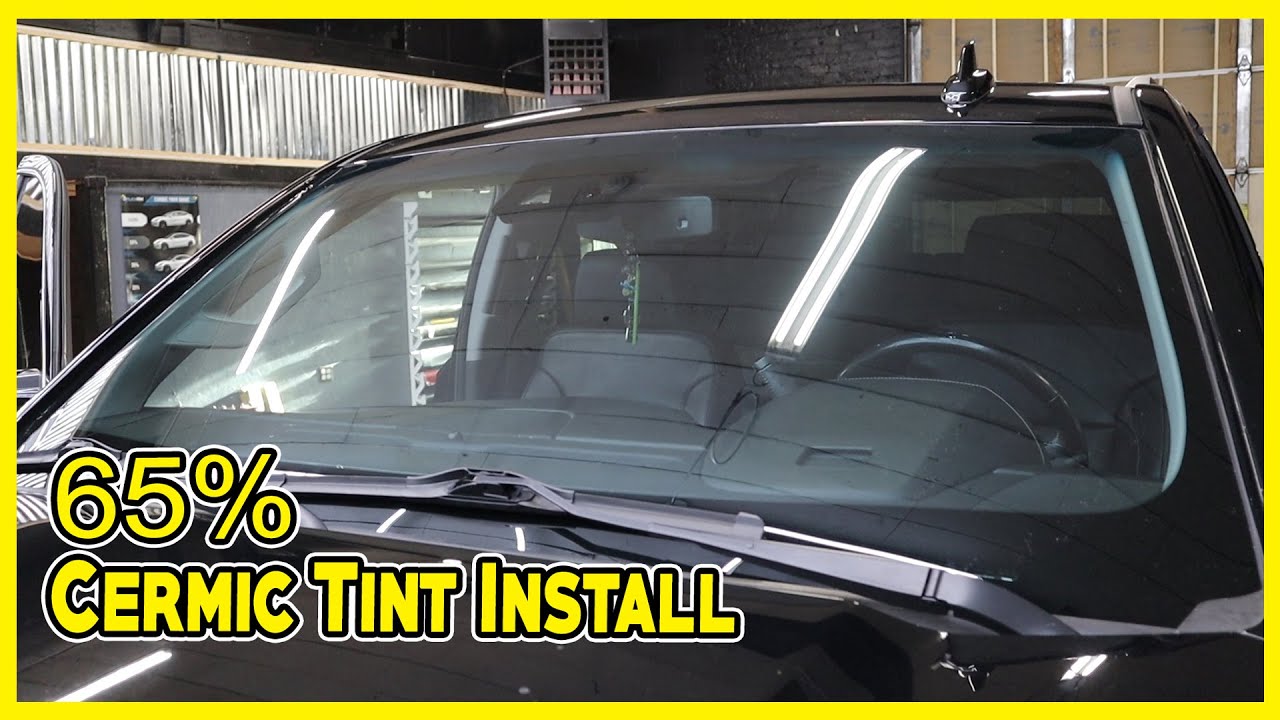
Lawful Fines for Violations
Failure to abide by windscreen tinting guidelines can result in considerable legal penalties for car proprietors. Many states enforce particular legislations relating to the permitted color percent and reflectivity on windscreens. Infractions might lead to penalties, which can differ widely depending upon the jurisdiction. In some cases, police might provide a citation, requiring the automobile proprietor to correct the tinting within a specified duration. Repetitive offenses could cause raised fines or perhaps factors on the vehicle driver's certificate. Furthermore, improperly colored windscreens can result in the vehicle falling short inspections, possibly causing additional fines. It is essential for lorry owners to familiarize themselves with neighborhood laws to stay clear of unnecessary lawful problems and guarantee compliance with tinting laws.
Setup Process and Tips
Setting up windscreen tint requires cautious preparation and focus to detail to secure a professional finish. The procedure starts with choosing the suitable tint film that complies with regional guidelines. When chosen, the vehicle needs to be parked in a clean, dust-free atmosphere to minimize impurities during installation.Next, the windshield has to be completely cleansed to remove any type of dust, oil, or residues that can hinder adhesion. Making use of a spray container loaded with a blend of water and a few decreases of soap can help lube the surface prior to using the tint.The film is then very carefully determined and reduced to fit the windshield, permitting a small overlap at the edges. After placing the movie, it should be squeegeed to get rid of air bubbles and safe and secure appropriate adherence. Trimming the excess film and allowing it to treat are vital steps for a smooth finish.
Upkeep and Take Care Of Tinted Windshields
Preserving colored windscreens is essential for protecting their look and performance with time. Routine cleaning is essential; utilizing a soft microfiber cloth and a mild automobile glass cleaner helps stop scrapes and preserves clarity. It is a good idea to avoid ammonia-based cleaners, as they can weaken the tint.Additionally, regular assessments for any kind of signs of here are the findings peeling or gurgling must be conducted. Attending to these issues quickly can protect against more damage. Auto parking in shaded locations or making use of sunshades can help decrease sunlight exposure, minimizing the threat of fading.Furthermore, motorists must beware when making use of devices or devices that might accidentally get in touch with the colored surface. Cautious handling, particularly when cleaning up or using safety films, can prolong the lifespan of the tint. By adhering to these upkeep techniques, lorry proprietors can ensure their tinted windscreens remain both practical and aesthetically appealing for years to find.
Common Myths Concerning Windshield Tinting
Numerous misunderstandings border windscreen tinting, specifically regarding lawful restrictions and the effectiveness of heat decrease. Understanding the actual laws controling color levels can aid automobile owners make notified decisions (Windshield Tinting Newark). Furthermore, it is important to clear up exactly how much warm tinting can really reduce inside a car
Legal Limitations Explained
What are the usual misunderstandings surrounding the lawful limitations of windshield tinting? Several people think that any kind of degree of tint on a car's windscreen is permitted, causing confusion and possible penalties. In truth, legislations vary considerably by state, with specific laws dictating the allowed portion of visible light transmission (VLT) Some think that darker tints offer full personal privacy; however, this often causes legal effects if the tint goes beyond regional limits. Furthermore, misconceptions exist pertaining to the sorts of tint movie that are legal; for example, reflective tints may have stricter laws. Recognizing these lawful parameters is vital for automobile owners to assure and avoid fines compliance while attaining their preferred visual.
Warmth Decrease Misconceptions
Many false impressions surround the efficiency of windshield tinting in decreasing heat inside lorries. A common myth suggests that all tints significantly reduced temperature levels, yet performance varies by the kind and top quality of the movie made use of. Furthermore, some believe that darker tints always supply far better warm reduction; however, progressed metallic and ceramic movies can use premium performance without extreme darkness. Another misconception is that tinting solely blocks sunshine; in reality, it can likewise mirror YOURURL.com infrared rays responsible for warm. Several assume that windshield tinting is just advantageous in sunny climates, neglecting its advantages in reducing warm even in cooler regions. Comprehending these myths is necessary for consumers to make informed choices concerning windscreen tinting.
Often Asked Inquiries
Will Windshield Tinting Impact My Vehicle's Resale Value?
The impact of windscreen tinting on a vehicle's resale worth varies. Some prospective customers might appreciate the added personal privacy and UV security, while others may watch it as an adjustment that interferes with the car's allure.
Can I Use Tint Over an Existing Factory Color?
Using tint over an existing manufacturing facility tint is feasible, however it might lead to difficulties such as gurgling or peeling off. It is essential to seek advice from a professional to ensure the finest outcomes and adherence to legal laws.
Just How Long Does Windshield Tint Last?
Windscreen tint commonly lasts in between 5 to ten years, relying on the quality of the movie, setup, and environmental variables. Correct maintenance can expand its life-span, protecting both look and efficiency against UV rays and warmth.
Is Windscreen Tinting Safe for All Kinds Of Automobiles?
Windscreen tinting security differs by automobile kind and regional laws. While several automobiles can gain from tinting, certain designs or conditions may restrict its application, necessitating cautious consideration of legal limitations and maker standards.
Can I Remove Windshield Color Myself if Needed?
Getting rid of windshield color can be a challenging job. It calls for mindful strategies to stay clear of harming the glass. Many individuals opt for expert assistance, but experienced DIYers may effectively finish the procedure with the right devices and patience. Each state develops specific guidelines relating to the allowable levels of color darkness, the kinds of movies enabled, and the areas on the windshield where tinting can be used. Furthermore, some states forbid any kind of tinting on the windscreen except for a maker's color band at the top. Some think that darker tints provide total personal privacy; nevertheless, this typically leads to legal repercussions if the color exceeds local limits. In addition, false impressions exist concerning the types of color movie that are lawful; for circumstances, reflective tints may have more stringent guidelines. Using color over an existing factory color is possible, however it might lead to issues such as peeling or bubbling.